Art & Craft Traditions of Bihar
From the world-celebrated lines of Madhubani painting to 800-year-old Tikuli gold work, golden Sikki grass weaving, and Bhagalpuri silk—discover Bihar's master craft traditions.
Watch the Art Come Alive
At Bihar Mahotsav 2026, you don't just view finished artwork—you sit alongside National Award-winning master artisans from Madhubani, Bhagalpur, and Patna as they create paintings, weave grasses, and stitch story quilts live!
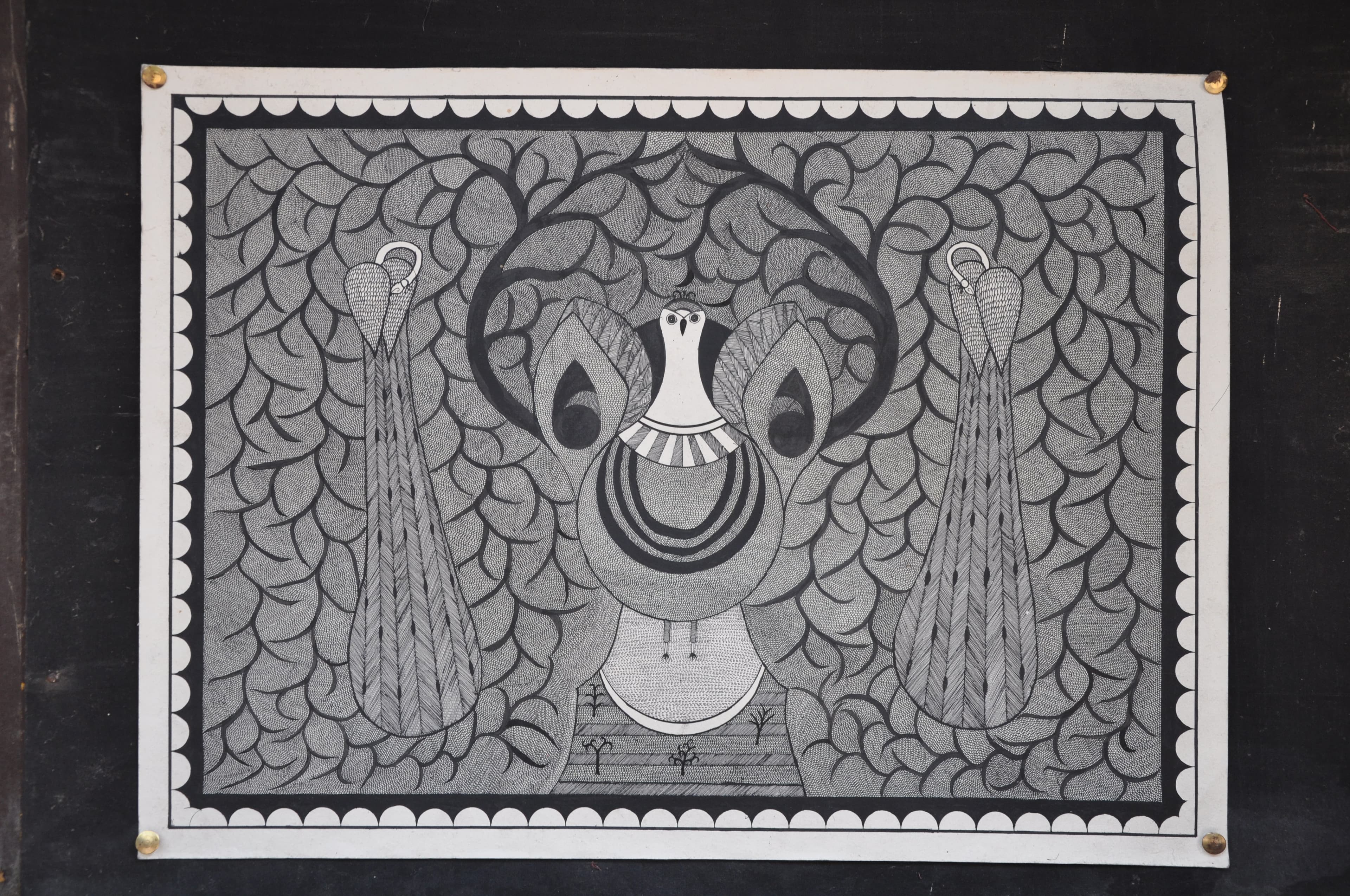 Mithila (Madhubani, Darbhanga)
Madhubani Painting
मधुबनी चित्रकलाWorld-renowned folk art characterized by eye-catching double borders, intricate line work, and vivid natural colors extracted from turmeric, indigo, rice paste, and flower petals.
Handcrafted using twigs, nibs, matchsticks, and natural dyes on handmade paper, canvas, and tussar silk fabric.
 Angika Region (Bhagalpur)
Manjusha Art
मंजूषा कलाAncient scroll painting tradition depicting the legendary folk tale of Bihula and Bishahari. Known as India's only sequential line art form, using pink, green, and yellow borders.
Executed on jute paper, bamboo boxes, and silk with natural mineral pigments.
 Patna
PatnaTikuli Craft
टिकुली कलाAn intricate 800-year-old craft originating from Patna. Hardboard enamel-painted tiles detailed with gold leaf work, inspired by traditional forehead bindi patterns.
Wood tiles cut, polished, painted with enamel base, and hand-etched with fine gold foil needles.
 Muzaffarpur & Madhubani
Sujuni Quilt Craft
सुजुनी कलाUNESCO-honored embroidery art where discarded cotton saris are layered and stitched into story-telling quilts featuring themes of rural life, women empowerment, and folklore.
Fine running-stitch embroidery executed meticulously by rural women artisans.
 Mithila Region
Sikki Golden Grass Craft
सिक्की क्राफ्टGolden-hued wild grass harvested after monsoon, dyed in vibrant colors, and woven into exquisite household items, decorative boxes, toys, and idol icons.
Wild grass dried, split using a needle ('Takua'), and coiling-stitched into durable artifacts.
 Bhagalpur (The Silk City)
Bhagalpuri Tussar Silk
भागल्पुरी सिल्कEcological wild silk known for its organic texture, rich sheen, and resilience. Woven on traditional handlooms for over a century.
Cocoon harvesting, hand-spinning yarn, and handloom weaving with natural dye finishes.